Bilingual STEM education

Empowering the next generation of bilingual STEM innovators

STEM Bridges expands access to high-quality STEM education for bilingual learners and underserved communities through project-based learning, coding, artificial intelligence, cybersecurity, and teacher professional development.

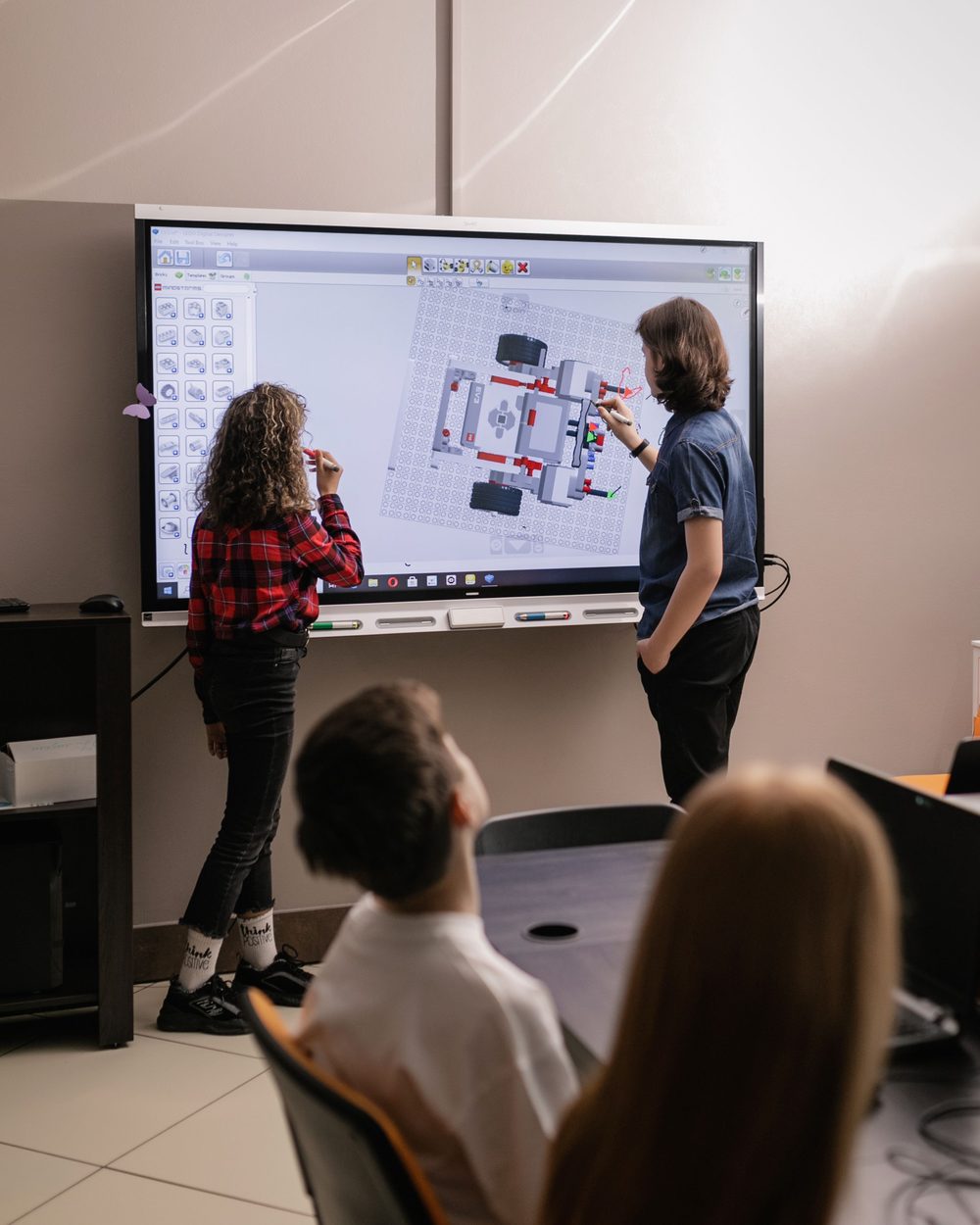
Two students at a smartboard building a robot design while classmates watch
5 Program pathways from ages 5 to 18
2 Languages across every lesson and resource
4 Professional development tracks for educators

Our mission

Bridging opportunity through STEM

We bridge educational opportunities by providing innovative STEM learning experiences that inspire curiosity, creativity, critical thinking, and real-world problem solving — delivered in both English and Spanish so that language is never the barrier to a student’s potential.
Our vision

A nationally recognized platform

To become a nationally recognized educational platform that empowers bilingual learners, educators, and schools through accessible STEM education and innovative digital learning experiences.

Who we serve

Built for the learners the system reaches last

Every program is designed first for the classrooms where bilingual learners are already sitting — and for the teachers who need support to reach them.

Bilingual learners

Students in English-learner and dual-language classrooms who are ready for rigorous STEM content in the language they think in.

Underserved schools

Title I and rural campuses where computer science staffing and hardware budgets have not kept pace with demand.

Classroom educators

Teachers asked to deliver computer science without a computer science background — supported with training, not just curriculum.

Families and community partners

Parents, libraries, and community organizations extending STEM learning beyond the school day.

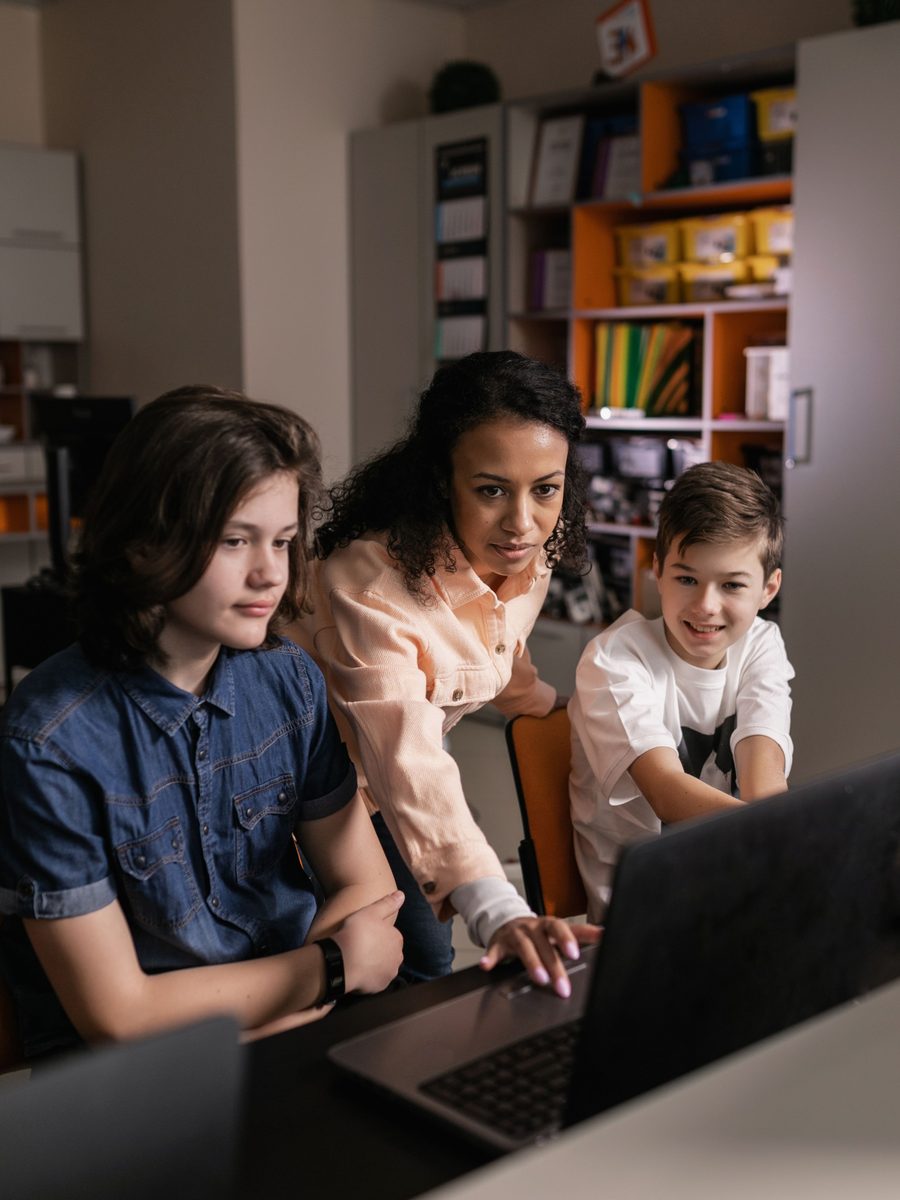
A teacher leaning in to help two students working on a laptop

Our approach

Four commitments behind every program

Fully bilingual by design

Lessons, activity sheets, and teacher materials are authored in English and Spanish together — not translated as an afterthought.

Project-based, not lecture-based

Students build something in every session. Concepts arrive through making, debugging, and explaining their own work.

Teachers first

A program only reaches students if the educator feels prepared. Professional development is core infrastructure, not an add-on.

Low barrier to entry

Programs are designed to run on the devices schools already have, including unplugged activities for classrooms with limited hardware.

Bring STEM Bridges to your community

We are seeking pilot school partners, funding partners, and educators who want to help shape the next phase of this work.

Start a conversation